

Case Study: JRCRS. 2025; 13(4):252-255
11- Effects of Pulsed Magnetic Field combined with Electrical Muscle Stimulation on Muscle Tone and Motor Function in Hypotonic Cerebral Palsy – A Case Study
Tehreem Jameel1, Muhammad Haroon Asghar2
1 HOD SKJ Special Education Centre, Syeda Khatoon e Jannat Trust Hospital & Special Education Centre, Faisalabad, Pakistan
2 HOD SKJ Trust Hospital & Special Education Centre, Syeda Khatoon e Jannat Trust Hospital & Special Education Centre, Faisalabad, Pakistan
Full-Text PDF DOI: https://dx.doi.org/10.53389/JRCRS.2025130411
ABSTRACT:
Cerebral palsy is characterized by abnormal tone, posture and movement with multisystem involvement leading to limitation of activity. In the given case, a female patient was reported with hypotonic Cerebral palsy with complaints of floppiness and muscular weakness predominantly affecting right side of body. She was also having poor head and neck control along with instability of trunk. The patient received Pulsed Electromagnetic Field (PEMF) therapy (25–35 Hz, 412 µs, 10 min) followed by Electrical muscle stimulation (EMS) (20–35 Hz, synchronous mode, 10 min), both applied five times weekly. This was followed by physical therapy exercises targeting the affected extremity. Data collection was done at the baseline, 12 and 24 weeks of intervention. Marked improvements in motor function were observed over 24 weeks, as evidenced by higher scores on the GMFM and advancement to GMFCS Level III, indicating enhanced mobility and postural control. Thus, it can be concluded that combination of PEMF with EMS is an effective intervention for improving Muscle Tone and enhancing Motor Function in Hypotonic Cerebral Palsy
Keywords: Cerebral Palsy, Magnetic Field Therapy, Muscle Hypotonic, Postural Balance
Introduction:
Cerebral palsy (CP) is a permanent neuro-developmental disease characterized by impaired muscle tone, posture and locomotion, occurring with rates of 1.5-3 per 1,000 live births, and with a male bias.1 Hypotonic CP is the rare form of CP, which constitutes 2.6 percent of the cases 2 with low muscle toned leading to late motor skills milestones and low postural stability.3 The affected children portray poor trunk control, sitting balance, and head control as a result of sensory-motor integration problems.4 Being less frequent, hypotonic CP is specific in its treatment and is likely to have multisystem complications that can complicate daily life even further.5 Although a number of interventions have been studied with regard to spastic CP, there is limited literature on effective modalities to be used with hypotonic CP. It has been indicated that Pulsed Electromagnetic Field (PEMF) modality and Electrical Muscle Stimulation (EMS) could independently improve motor performance and muscle recruitment in neurologically impaired subjects.6 Nevertheless, very little research has observed the combination of the PEMF and EMS in the treatment of hypotonia in particular. Since hypotonic CP is characterized by whitened neural input at the muscles, it is proposed that a combination of PEMF and EMS may provide synergistic efficacy, namely, neuromuscular stimulation resulting in better postural control and tone, compared with the separate application of either of the two. It was hypothesized that when PEMF with EMS is incorporated with conventional physiotherapy, it shall have a significant effect in enhancing poor motor functions and muscle tone in children with hypotonic CP. This case study was aimed at measuring the efficacy of PEMF that was used in conjunction with EMS in enhancing muscle tone, motor capacity and improving motor behavior in a child with hypotonic CP, with a 24 weeks course of treatment.
Case Report
A 4 years old female, presented at the Physiotherapy OPD of Syeda Khatoon e Jannat Trust Hospital & Special Education Centre, Faisalabad; with complaints of floppiness and muscular weakness predominantly affecting right side of body. She was also having poor head and neck control along with instability of trunk. The patient was having speech difficulties along with lack of hand grip. She was born via normal delivery after premature labor caused by pre-mature rupture of membranes at 7 months’ gestation. There was no documented infections or complications during pregnancy until 7th month with no reported history of neurodevelopmental disorders or congenital abnormalities among the family. Birth complications primarily hypoxia, resulted in delayed developmental milestones and significant motor impairments
Baseline physical examination revealed that she had muscular strength of 2/5 in right Upper and lower extremity on Manual muscle testing and slouched forward leaning posture. According to GMFCS, she resided on Level V. Her neurological examination revealed reduced reflexes. She had poor grip strength and limited dexterity. Her psychiatric evaluation indicates fear pattern towards movement and extreme crying behavior. An informed consent was obtained from the caregiver before they could be included in the study. The intervention program included the application of PEMF unit followed by EMS to improve muscle tone, and enhance motor function.
PEMF (Magneto-pulse International PMF Unit- Australia) unit was applied in a frequency Between 25 Hz and 35 Hz for a duration of 10 minutes of net Field time with a pulse duration of 412 µs five times a week.7
EMS unit (Comfy-Stim TENS/EMS Combo Unit) was applied afterwards for a duration of 10 minutes in Synchronous mode (20 to 35 Hz) in addition to physical therapy exercises targeting the affected extremity. Exercises were implemented in the following pattern: PROM along with tactile stimulation, Assisted Head Lifts, Prone Positioning, Supported Sitting with Assistance, Supported Standing, Pre-Gait Training and Assisted Ambulation.
Every exercise was performed in 10 repetitions and was practiced approximately 10-15 minutes per day and up to 12 weeks. The second reading was administered after 12 weeks and her motor functions improved tremendously. The third and final reading was done at the end of 24 weeks.
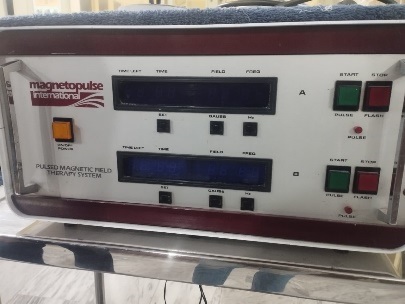
Figure 1: Magneto-pulse International PMF Unit- Australia
Results
During the 24-week intervention term, the patient demonstrated significant improvement in the motor function and gross motor capacity.
The Gross Motor Function Measure (GMFM) score for the child at baseline (Week 0) was 19% with a level of self-mobility of GMFCS Level V, which is severely limited. The GMFM improved after 12 weeks of Pulsed Electromagnetic Field (PEMF) therapy, Electrical Muscle Stimulation (EMS), and physiotherapy to 38 which is Level IV of GMFCS. By Week 24, the GMFM had increased to 56%, and now was Level III GMFCS, showing great improvement in mobility and postural control, as reflected in a better sitting balance, being able to transfer independently, and use a walker to assist her with ambulation.
| Table 1: GMFM & GMFCS scores at three time points | ||
| Time point | GMFM score % | GMFCS level |
| Baseline (Week 0) | 19% | V |
| Post-treatment T1 (Week 12) | 38% | IV |
| Post-treatment T2 (Week 24) | 56% | III |
Discussion
This study suggests evidence supporting the efficacy of Pulsed Magnetic Field (PMF) therapy coupled with EMS in children with cerebral palsy, especially in improving postural control, weight-bearing capacity, and pre-gait training. There were no adverse effects and the intervention was well tolerated making the applied dose and treatment course safe. The noted enhancements of the dynamic postural balance and functional mobility indicate that PEMF and EMS could be effective adjuncts to the conventional physiotherapeutic treatments.8
In line with the previous researches, Functional Electrical Stimulation (FES) along with the conventional rehabilitation methods have been found to have a significant effect on postural stability in comparison to traditional therapy. FES provides electrical stimulation in synchrony with voluntary and movement-related tasks, which facilitates relearning of motor tasks and functional activation. Conversely, Neuromuscular Electrical Stimulation (NMES) is typically utilized in order to provoke muscle contractions that do not require any voluntary work to help the muscles to strengthen, enhance the range of motion and neuromuscular re-education. The Electrical Muscle Stimulation (EMS) that was used in the current study was not similar to the conventional NMES in its application – it was utilized in non-task-specific, synchronous mode, which is mainly aimed at neuromuscular activation and re-education, but not at direct training of particular functional tasks. The literature is in favor of the NMES-based intervention to enhance the biomechanics, functional mobility, and muscular strength, which explains the therapeutic process of electrical stimulation use in neuro-rehabilitation of children.9
Likewise, repetitive Peripheral Magnetic Stimulation (rPMS) used together with intensive physiotherapy has also been demonstrated to improve walking velocity, ambulation, and coordination, and again indicates the potential complementary effect of magnetic and electrical stimulation in children with cerebral palsy, to maximize gait mechanics.10
In the present case, they manifest themselves in the gradual nature of GMFM scores (19% – 56%) and GMFCS level transition (V – III) to show that these multimodal neuro-modulatory-based interventions can also help in achieving significant functional recovery. Together, the results support the feasibility of combining highly neuro-modulatory interventions including PEMF and EMS with standard therapy in order to enhance higher functional independence and motor functioning in children with CP. To generalize these results, future studies should include larger sample sizes, longer intervention periods, and so on different exercise regimens.
Conclusion
The findings suggest that PEMF combined with EMS may be an effective intervention for improving muscle tone and enhancing motor function in children with hypotonic cerebral palsy.
References
- Patel DR, Neelakantan M, Pandher K, Merrick J. Cerebral palsy in children: a clinical overview. Translational pediatrics. 2020; 9(1):125.
- Ahmed WS, Gharib RM, El-Din HS, El-Talawy HA. Effect of pelvic girdle stability training on functional sitting control in children with hypotonic cerebral palsy. International Research Journal of Medicine and Medical Sciences. 2021;9(1):24-33.
- Roy N, Sharma P, Kalra S, Singh RK, Rai RH, Rohilla P. A Comprehensive Pediatric Assessment and Rehabilitation of Hypotonic Cerebral Palsy using ICF Model of Functioning, Disability and Health: A Case Study. Cuestiones de Fisioterapia. 2024; 53(02):191-204.
- Khan MZ, Waseem I, Batool S, Khan FA, Khan FA, Butt R. Impact of vestibular stimulation on motor function in children with hypotonic cerebral palsy: a randomized controlled trial. Frontier in Medical and Health Research. 2025; 3(1): 25.
- Pulay MÁ, Kornis K, Bednárikné Dörnyei G, Feketéné Szabó É, Horváth M, Matiscsák A, et al. Feasibility of using pulsed electromagnetic field therapy to improve the dynamic postural balance of children with cerebral palsy: a randomized, sham controlled pilot study. J Clin Med. 2025;14(1):192.
- Torabi TP, Mortensen K, Michelsen JS, Wong C. Exploratory evaluation of six-month systematic noninvasive electrical stimulation in a whole-body suit on children with cerebral palsy GMFCS III–V. Neurol Int. 2025;17(7):102.
- Grosse, L., Schnabel, J.F., Börner-Schröder, C., Späh, M.A., Meuche, A.C., Sollmann, N., Breuer, U., Warken, B., Hösl, M., Heinen, F. And Berweck, S. Safety and Feasibility of Functional Repetitive Neuromuscular Magnetic Stimulation of The Gluteal Muscles in Children and Adolescents with Bilateral Spastic Cerebral Palsy. Children, 2023;10(11):1768.
- El-Shamy SM, El Kafy EM. Effect of functional electrical stimulation on postural control in children with hemiplegic cerebral palsy: a randomized controlled trial. Bulletin of Faculty of Physical Therapy. 202; 26:1-8.
- Cobo-Vicente F, San Juan AF, Larumbe-Zabala E, Estévez-González AJ, Donadio MV, Perez-Ruiz M. Neuromuscular electrical stimulation improves muscle strength, biomechanics of movement, and functional mobility in children with chronic neurological disorders: A systematic review and meta-analysis. Physical therapy. 2021;101(10): 170.
- Kinoshita S, Ikeda K, Hama M, Suzuki S, Abo M. Repetitive peripheral magnetic stimulation combined with intensive physical therapy for gait disturbance after hemorrhagic stroke: an open-label case series. International Journal of Rehabilitation Research. 2020;43(3):235-9.
| Copyright Policy
All Articles are made available under a Creative Commons “Attribution-NonCommercial 4.0 International” license. (https://creativecommons.org/licenses/by-nc/4.0/). Copyrights on any open access article published by Journal Riphah college of Rehabilitation Science (JRCRS) are retained by the author(s). Authors retain the rights of free downloading/unlimited e-print of full text and sharing/disseminating the article without any restriction, by any means; provided the article is correctly cited. JRCRS does not allow commercial use of the articles published. All articles published represent the view of the authors and do not reflect the official policy of JRCRS. |